
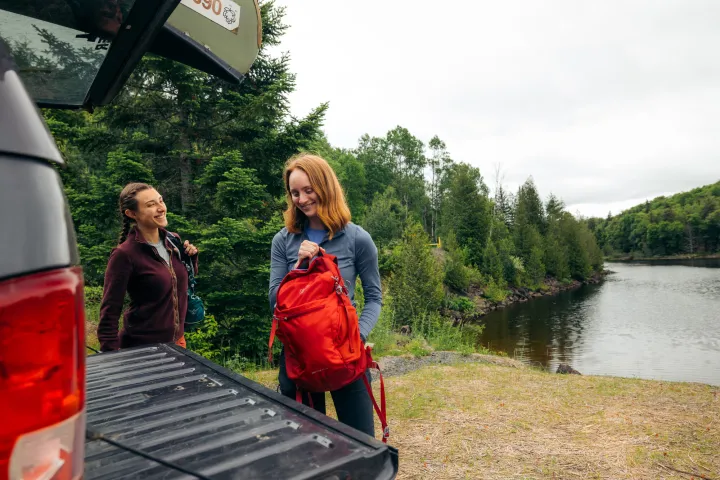
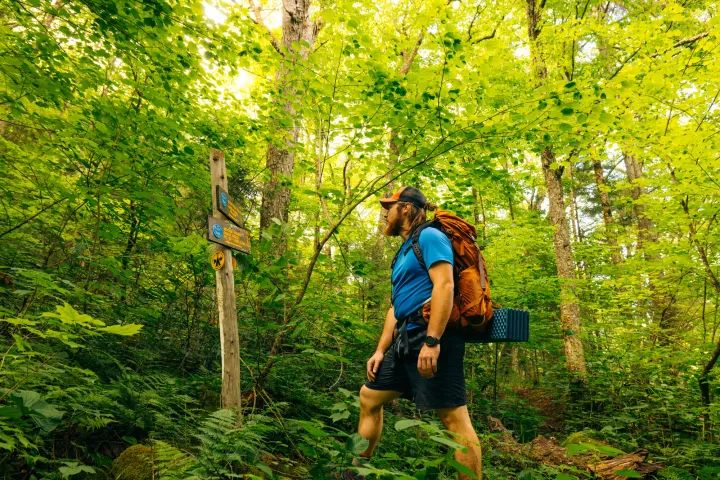
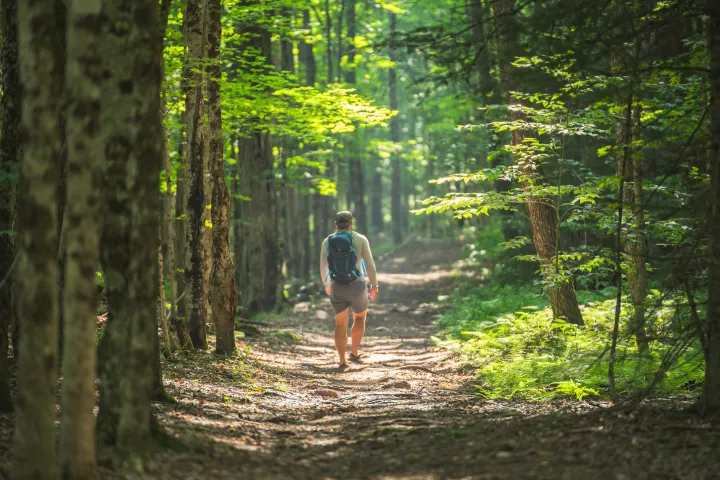
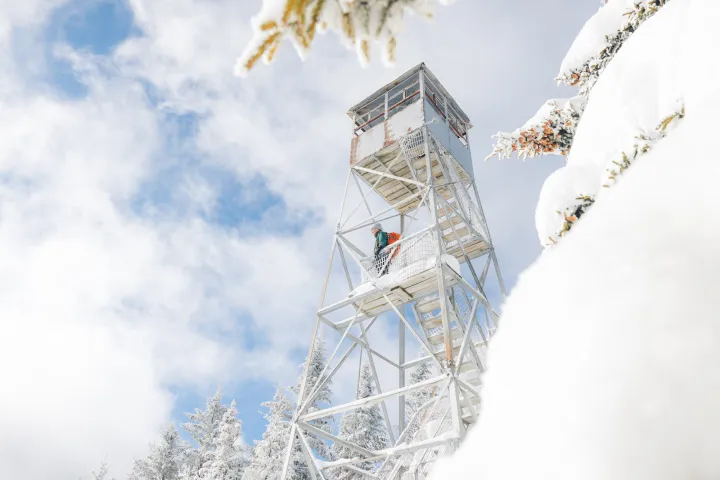



Our Hike Finder is as comprehensive as it gets. Search and filter through 400+ different hikes to find a trail that speaks to you!
Hiking
Hiking in the Adirondacks
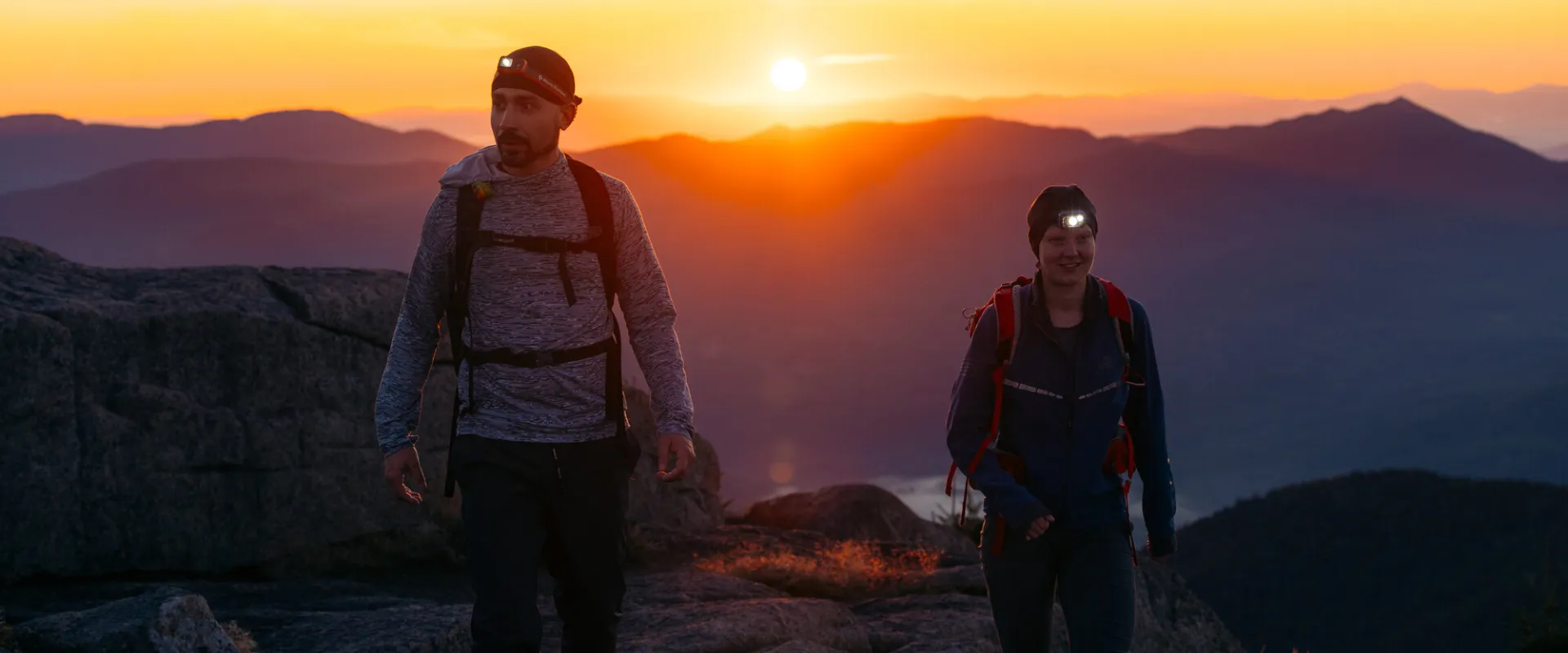
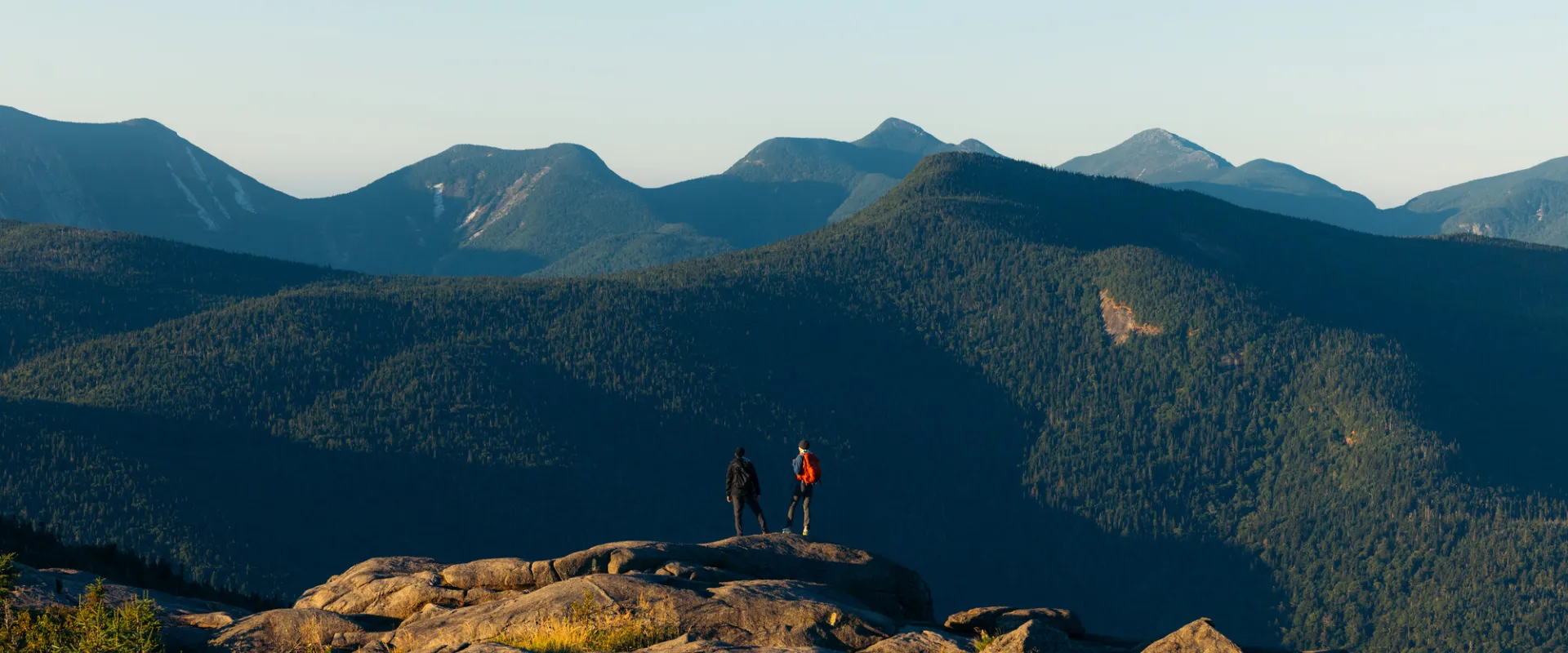
The Adirondack Park contains a massive 2,000-mile trail network that ranges from flat, accessible woodland paths to the steep, rocky scrambles of the 46 High Peaks. The landscape also holds ecological significance, with rare ecosystems that include alpine tundra and expansive peatland complexes. Because of this, hikers should practice Leave No Trace principles, and be prepared for all conditions when going out on an adventure.
The Hike Finder
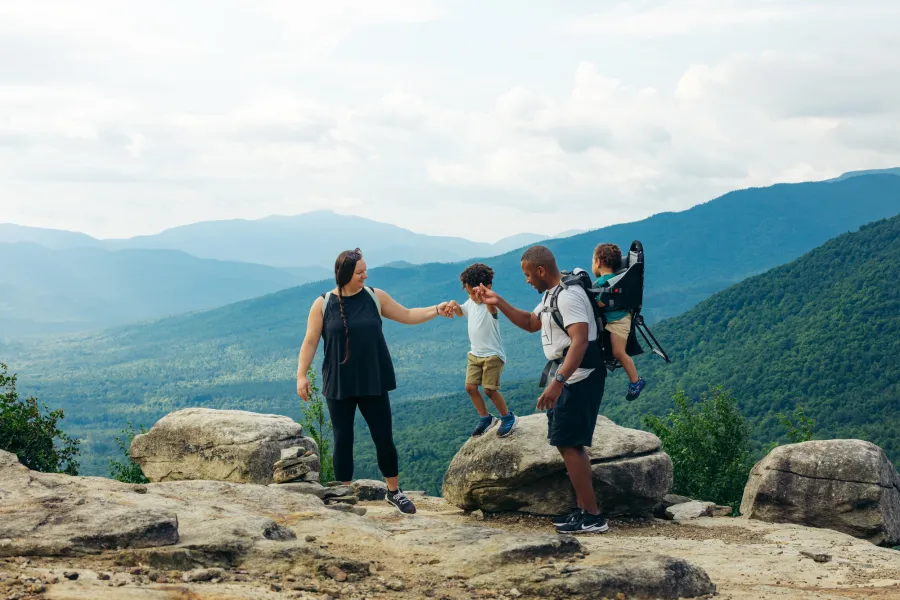
The Hike Finder is your go-to resource for exploring trails found throughout the Adirondacks. You can filter based on what region you'd like to explore, distance you'd like to hike, and the features you want to see along the way. With over 450 hikes to choose from, which one will you pick?
Leave No Trace 7 Principles
Plan Ahead & Prepare
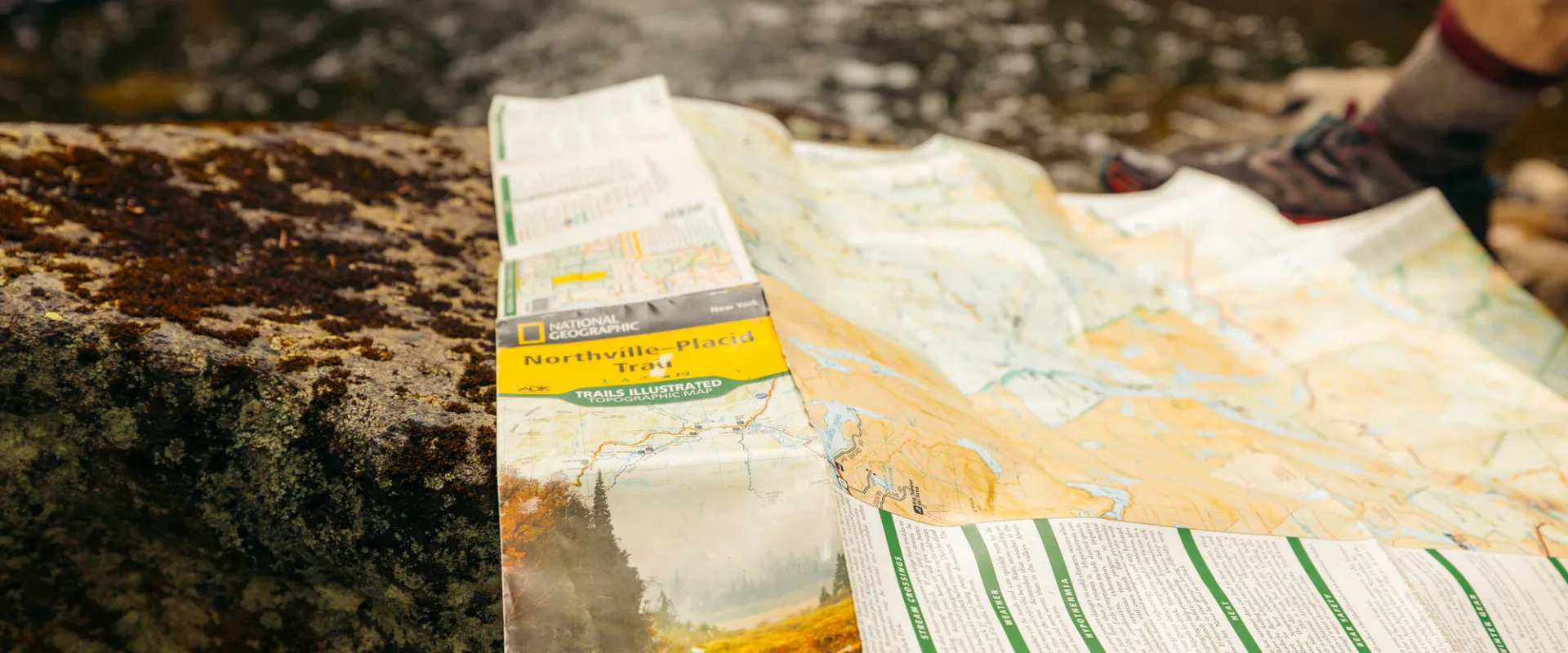
Know before you go! Remember food, water, and clothes to protect you from cold, heat, and rain. Use maps to plan where you’re going. Check them along the way so you’ll stay on course and avoid getting lost. Research the areas you plan to visit, and the special regulations that may exist there.
Travel & Camp on Durable Surfaces
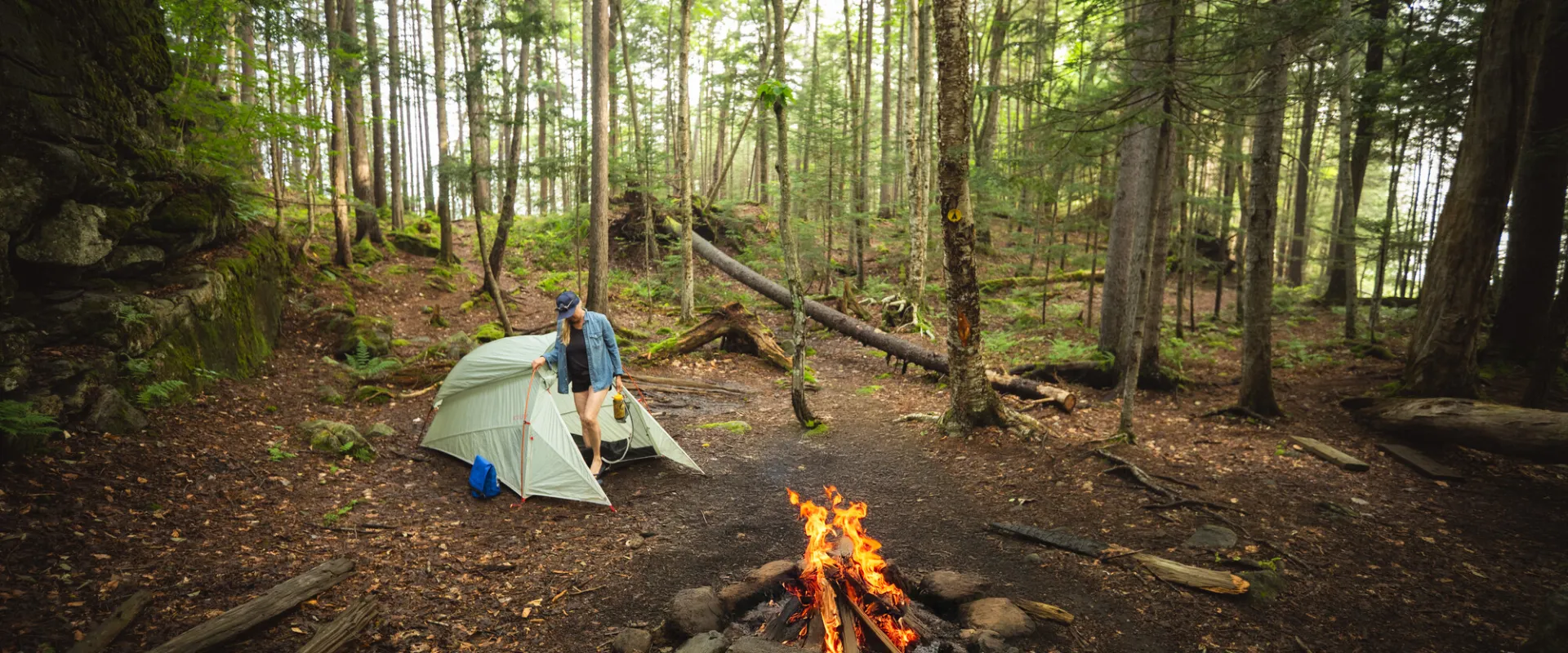
Walk and ride on designated trails to protect trailside plants. Camp only on existing or designated campsites to avoid damaging vegetation. Stick to the rock and off the plants and bare soil on our highest peaks, which host alpine ecosystems, the rarest ecosystem in the entire state of New York!
Dispose of Waste Properly
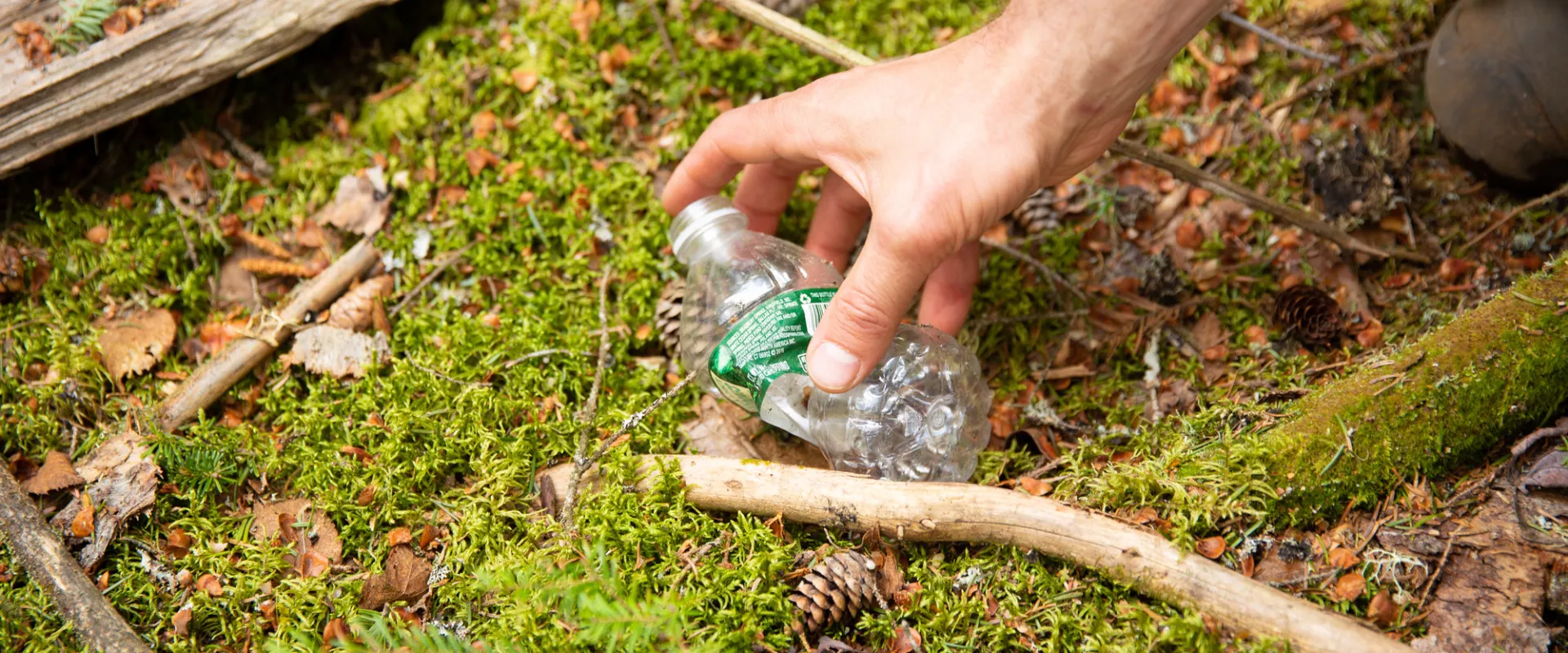
Pack it in, pack it out. Put litter (yes, even peanut shells and banana peels) in your backpack and carry it home. Use bathrooms or outhouses when available. If they're not available, bury poop in a small hole (called a cat hole) 6-8 inches deep and 200 feet or 70 big steps from water and the trail.
Leave What You Find
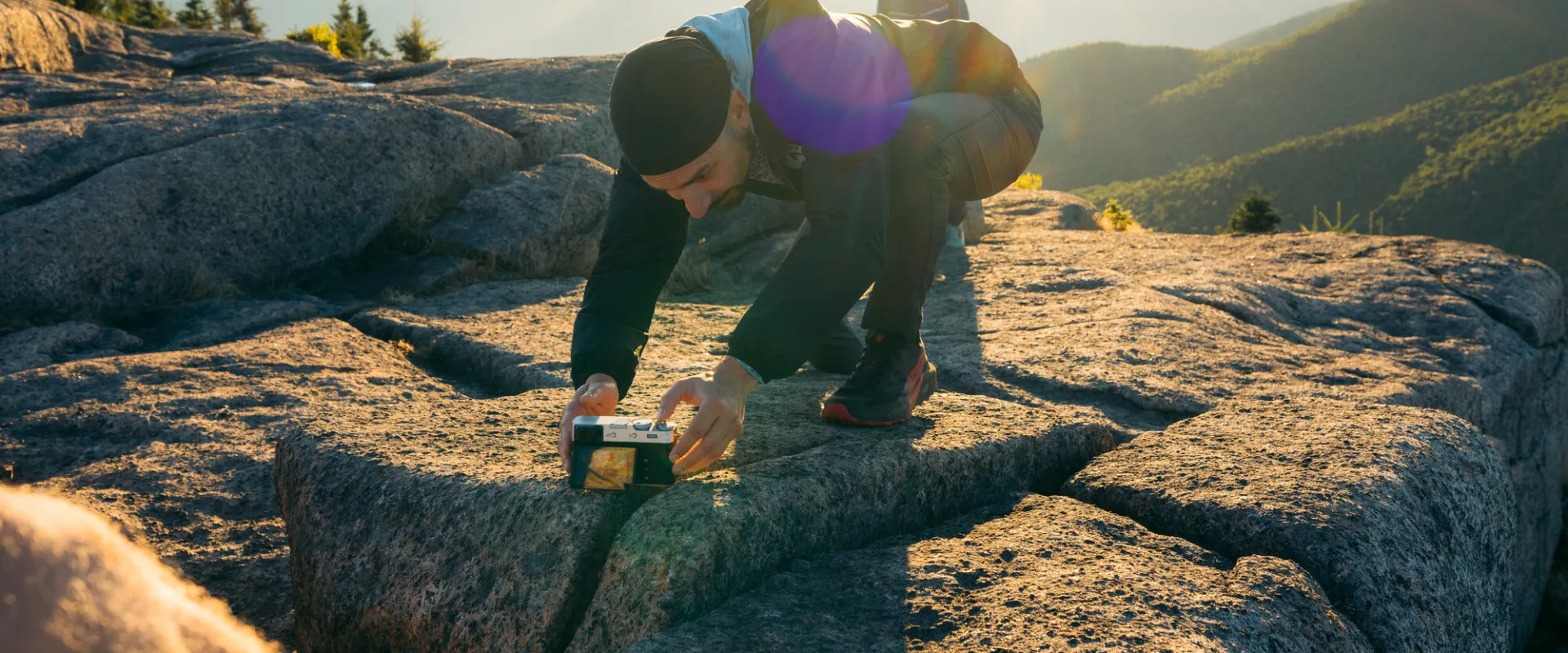
Leave plants, rocks, and historical items as you find them so others can enjoy them. Treat living plants with respect. Carving, hacking, or peeling plants may kill them. Take a picture to remember what you saw, instead of taking it home!
Minimize Campfire Impacts
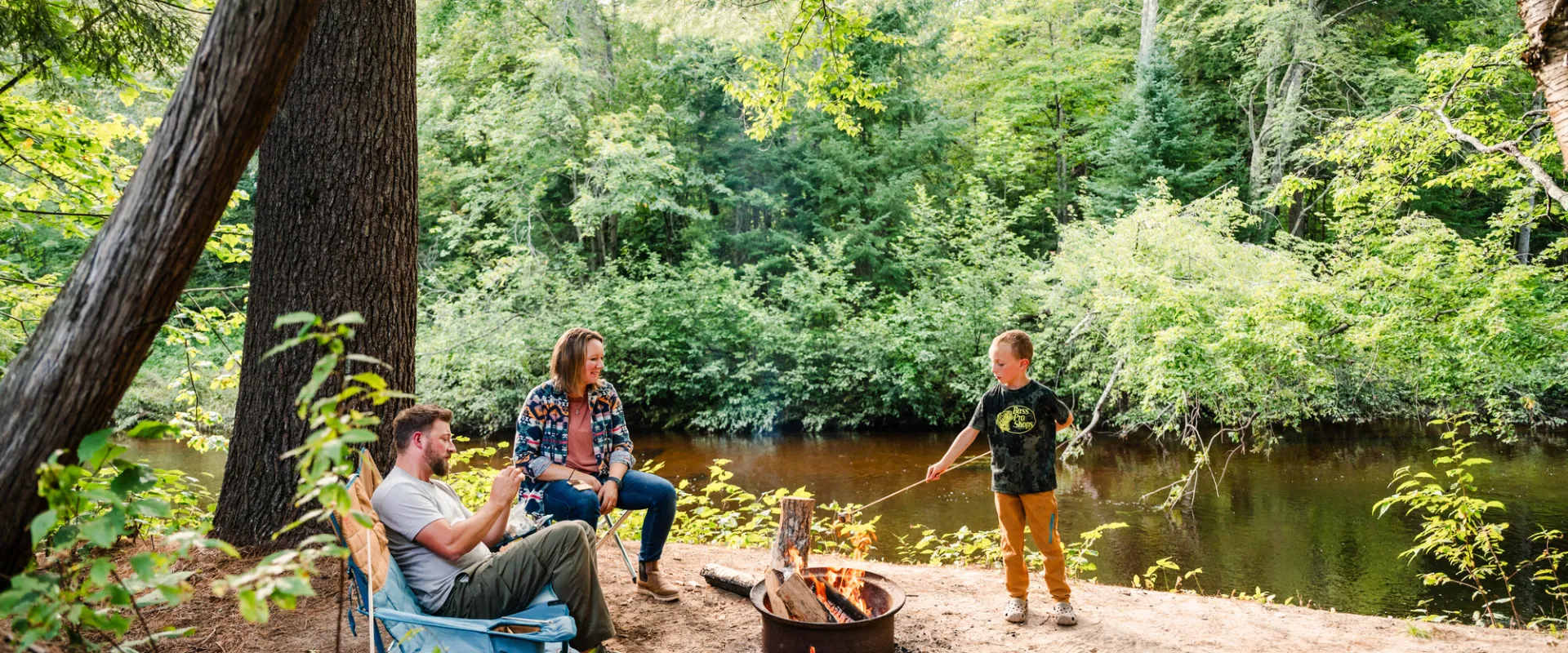
Use a camp stove for cooking. Stoves are easier to cook on and create less impact than a fire. If you want to have a campfire, be sure it’s permitted and safe to build a fire in the area you’re visiting. Use only existing fire rings to protect the ground from heat, and only dead/downed debris for the fire. Keep your fire small!
Respect Wildlife
Observe wildlife from a distance and never approach, feed, or follow them. Human food is unhealthy for all wildlife and feeding them starts bad habits. Protect wildlife and your food by securely storing your meals and trash.