
Seeing Stars... and Planets and Galaxies
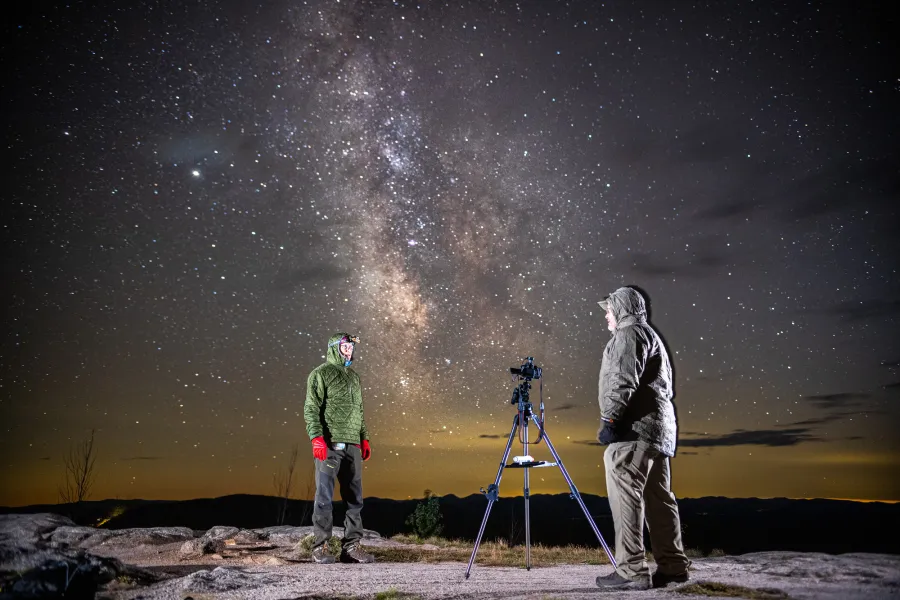
As big as the Adirondacks are—and feel—it only takes one night under our dark skies to feel very small. Here, we take great pride in our dark skies with little to no light pollution, making it possible for visitors to look up at night and take in a mesmerizing amount of stars, planets, galaxies, and more. We've assembled some of our favorite spots for stargazing, from a public observatory to isolated summits, perfect for stargazers young and old and of all abilities. Ad astra!
Day 1
Adirondack Sky Center & Observatory - Tupper Lake
Tupper Lake has always been a great location for star gazing, and now the nighttime sky can be exper...
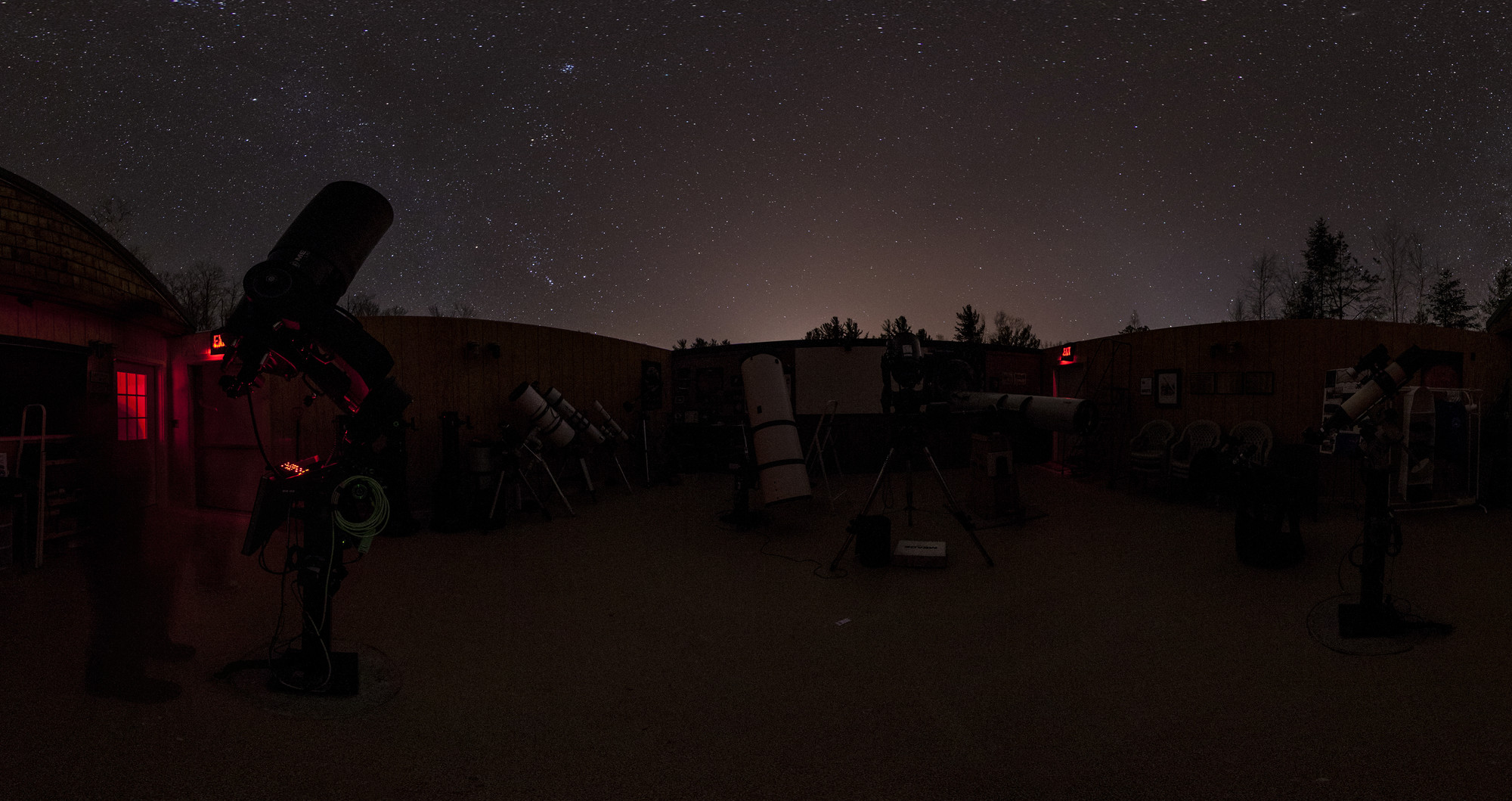
Tupper Lake has always been a great location for star gazing, and now the nighttime sky can be experienced in a whole new dimension as the Adirondack Sky Center & Observatory, a state-of-the-art facility, continues to grow. During the day, the roll-off roof building may look like a quiet building. But when the sun sets and the three-thousand pound roof rolls away, the structure comes to life, exposing the nighttime sky for all its wonder. Within the observatory’s walls, four mounted telescopes are waiting to help you gaze at all of the glory above. Accompanying the mounted scopes are a variety of smaller telescopes, astronomy accessories, and equipment for astrophotography. In addition to stargazing, the Adirondack Sky Center & Observatory offers a variety of educational workshops, events and more throughout the year.
Coney Mountain - Tupper Lake
As far as views go, this is one of the best in the area and should not be missed. For the adven...
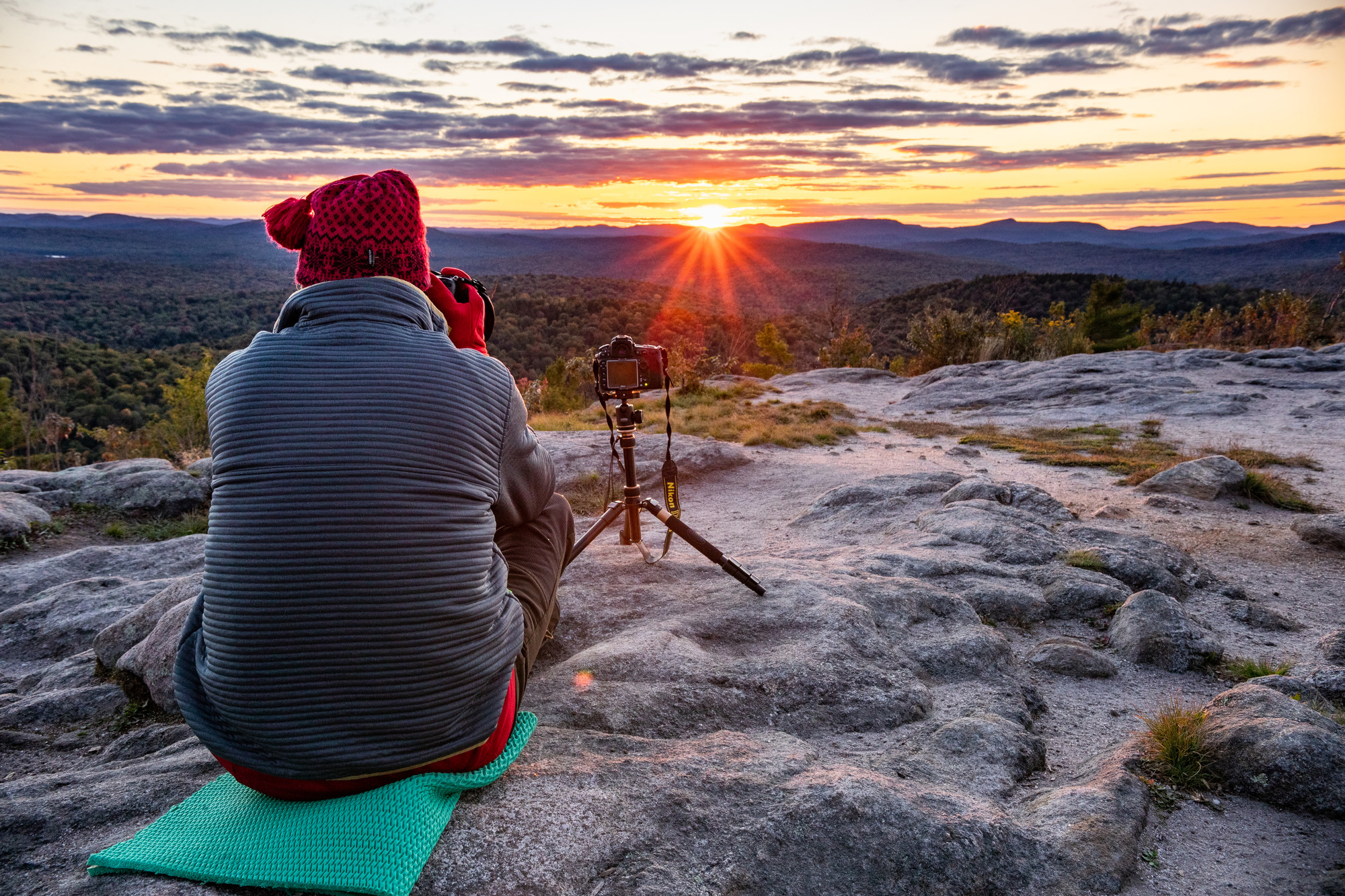
As far as views go, this is one of the best in the area and should not be missed. For the adventurous, Coney Mountain can be hiked at night for some spectacular stargazing. Tupper Lake is famous for its dark skies and fantastic celestial views. This is an easy summit hike that is great for kids, and kids at heart. The trail gently meanders around the mountain, instead of climbing straight up. If hiking at night, be sure to bring a headlamp, extra batteries, and layers of warm clothing.
Day 2
Newcomb Overlook Park - Newcomb
In the daylight, the Newcomb Overlook Park is a neat spot: located on a gentle rise, it offers amazi...
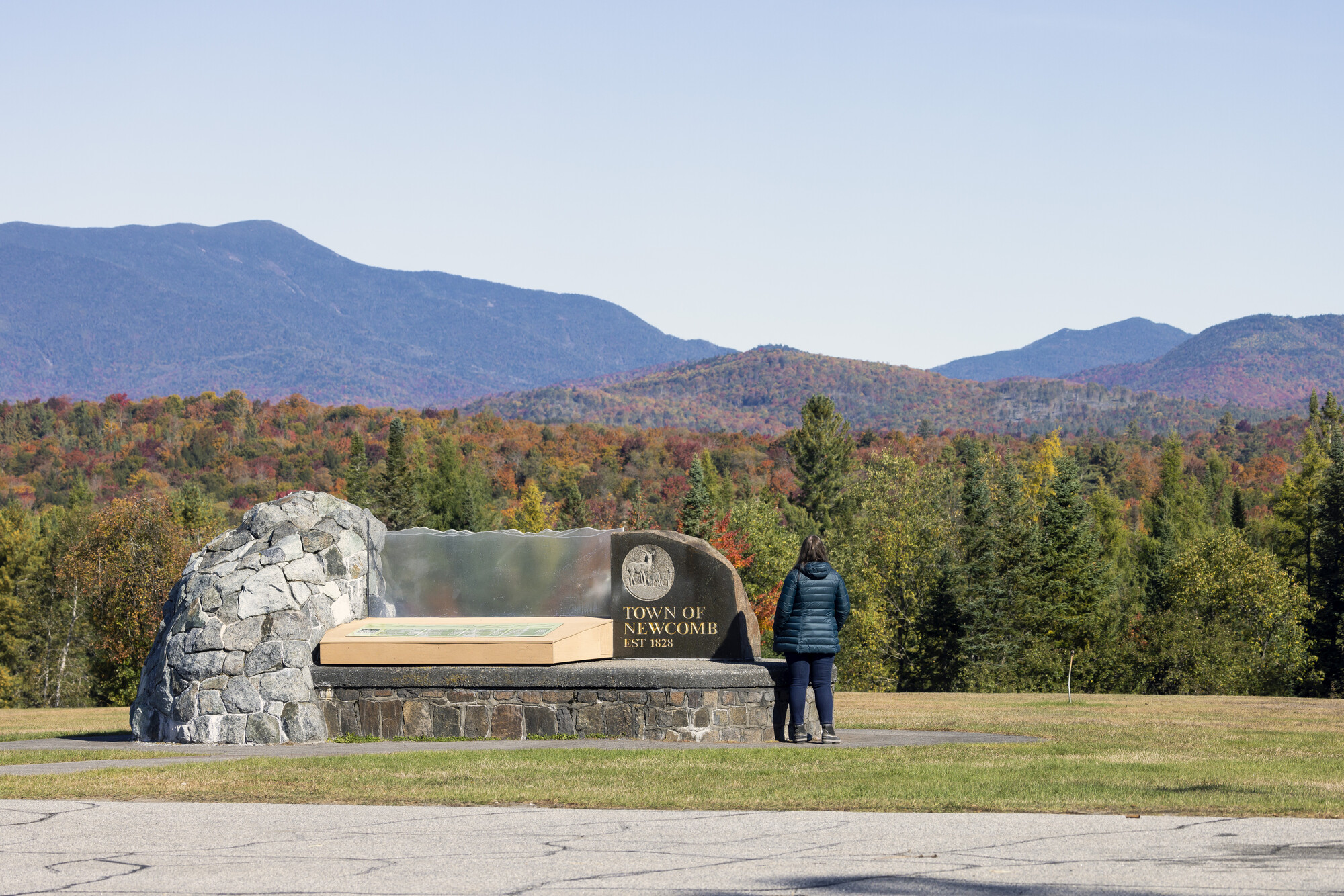
In the daylight, the Newcomb Overlook Park is a neat spot: located on a gentle rise, it offers amazing views of the High Peaks and a super cool monument that helps you identify the peaks. At night, that wide-open view offers big night sky views with a safe parking area, restrooms, and a picnic area, it's an easy spot to pull into and let your eyes adjust to the magical darkness around. Before night falls, hike from Upper Works trailhead to a pond, mountain, or historic site. Explore Newcomb, it's a gem of a town in the central Adirondacks. Stay here, or in nearby Schroon Lake, before you go to your third night sky viewing location!
Day 3
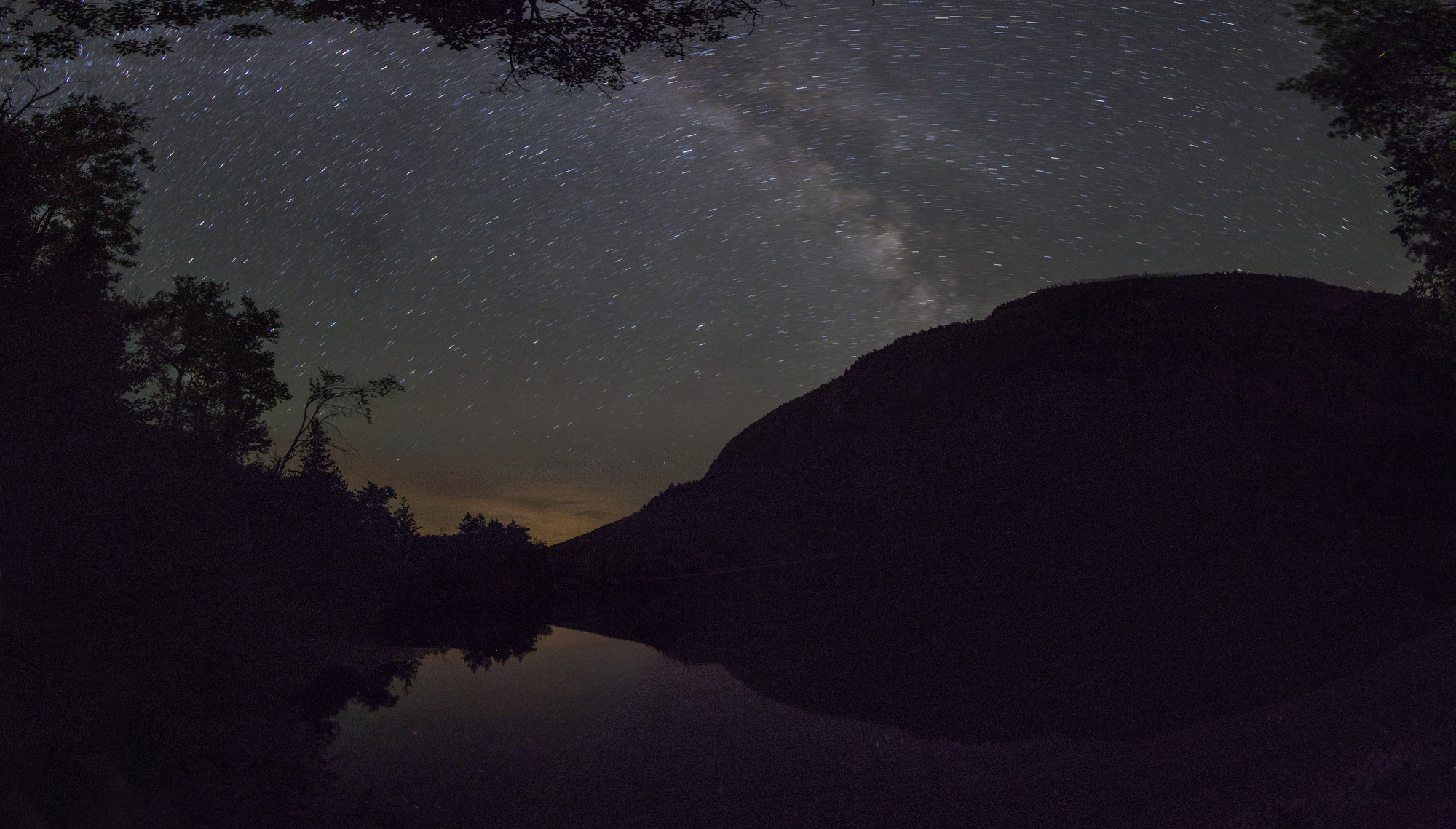
Chapel Pond - Keene Valley
Nestled in Chapel Pond Pass, with a sandy beach on the east end, visitors to Chapel Pond will find a...
Nestled in Chapel Pond Pass, with a sandy beach on the east end, visitors to Chapel Pond will find an easily accessible site with excellent dark skies. Astrophotographers love this spot for the beautiful view of the sparkling night sky reflected on the smooth pond. This spot is also close-by to another classic night sky viewing location in Keene Valley, drive there after visiting Chapel Pond.
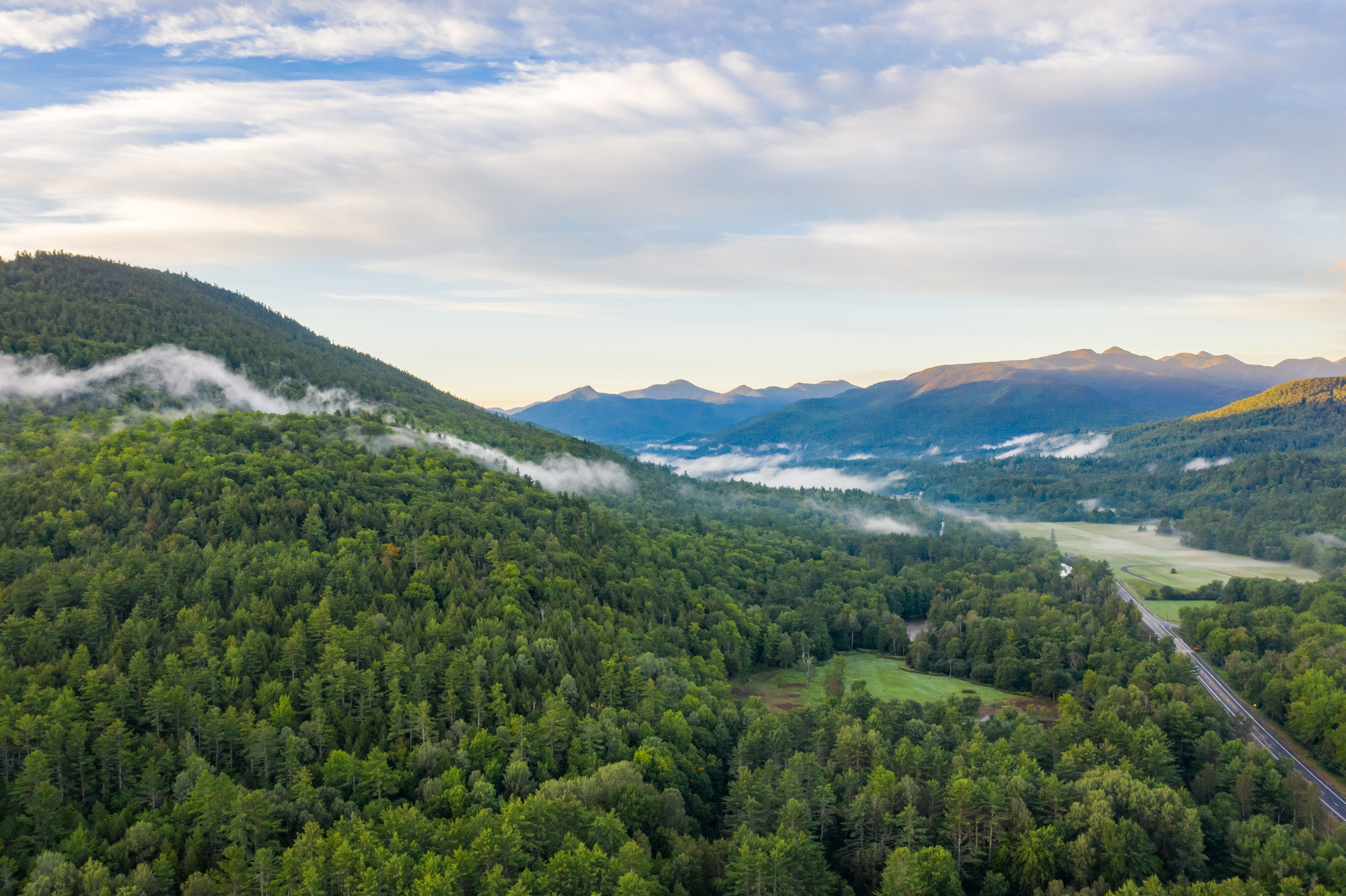
Marcy Field - Keene Valley
Marcy Field gives you perhaps the widest view of the night sky in this region, apart from standing o...
Marcy Field gives you perhaps the widest view of the night sky in this region, apart from standing on top of a mountain. During the day, before you go stargazing, enjoy Keene and Keene Valley. Grab coffee, shop a bit, go to the farmers' market on Marcy Field to get acquainted with it. Then, after stopping at Chapel Pond, head here for the stars. Bring a camera, a telescope, or just look up and gawk at how much of the Milky Way you can see.