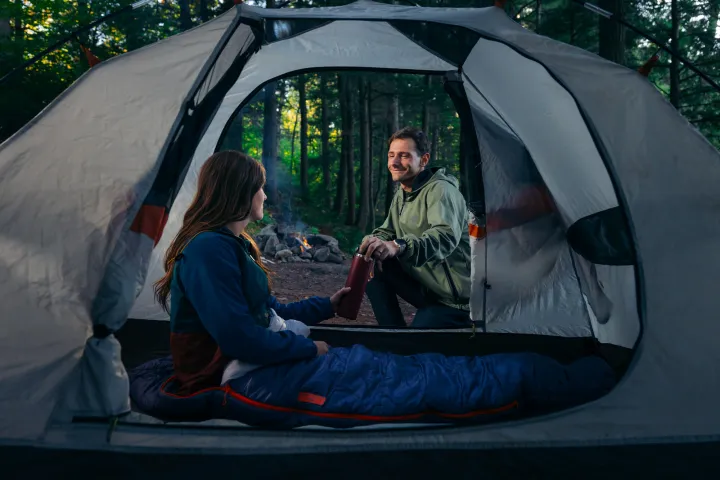
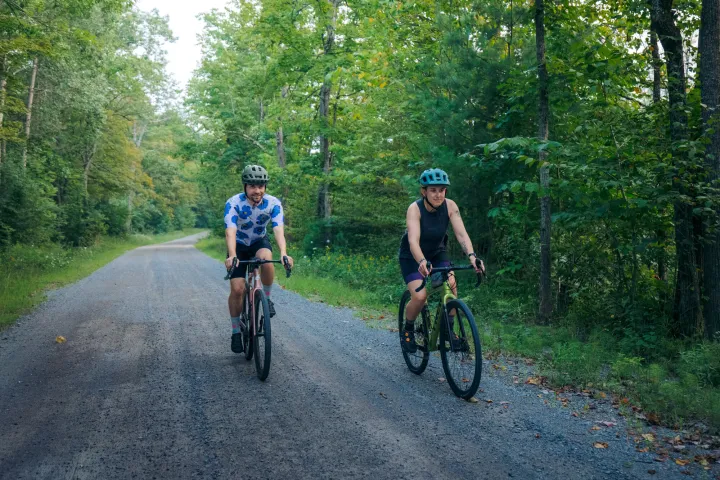
Keep your bags light and your ride fueled by stopping at Adirondack general stores, cafés, and local markets along the way. Stock up on snacks, grab a fresh meal, and support the small businesses that help keep these communities thriving.
Bikepacking the Adirondacks
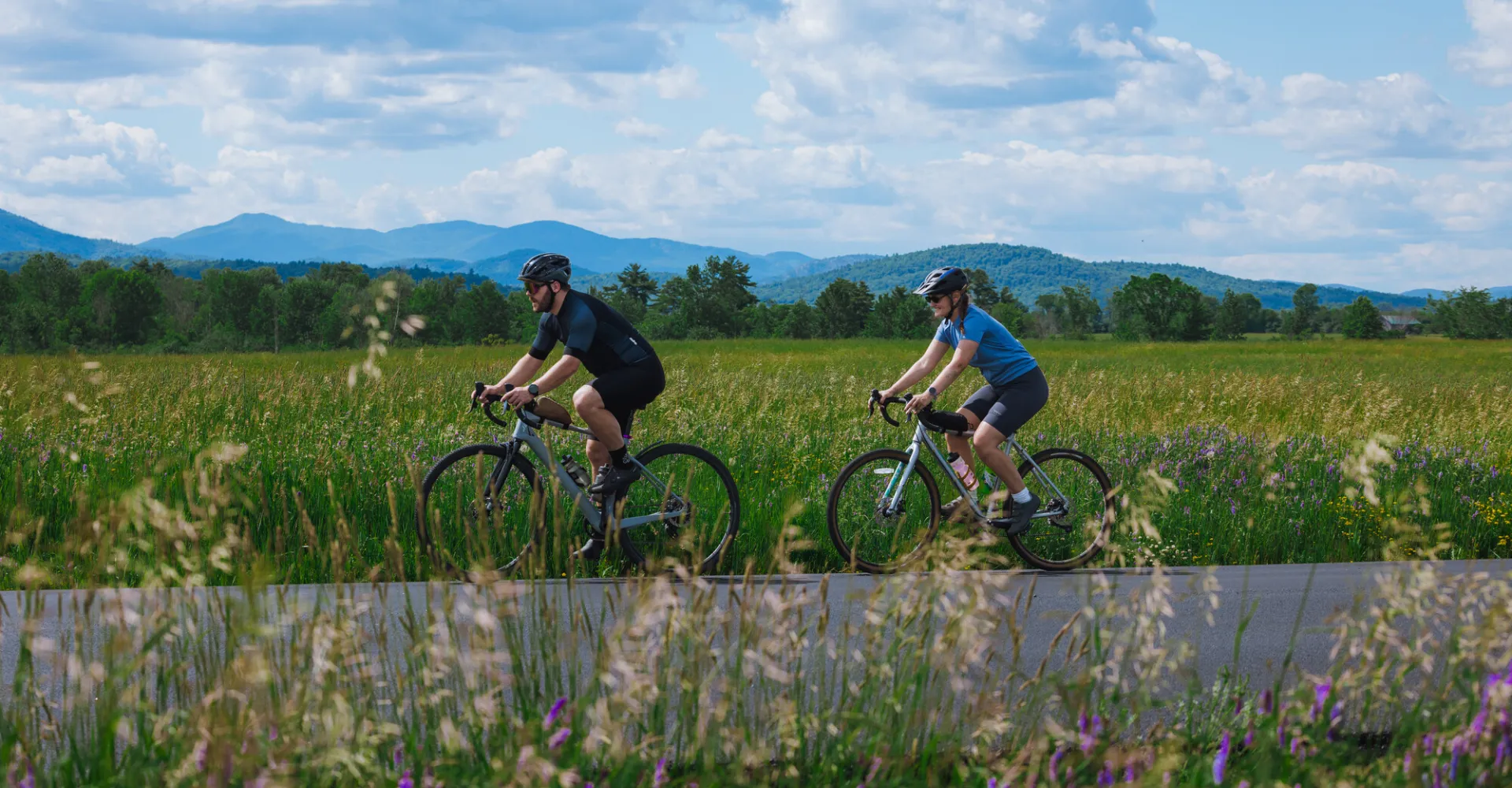
Find the route that fits your ride
There's a unique kind of quiet that settles in once you're a few miles down a dirt forest road, saddlebags loaded, cell signal gone, and the only sound left is gravel crunching beneath your tires. The Adirondack Park is one of the best places in the country to find that quiet on two wheels. Six million acres of public and private land, laced together by old logging roads, rail trails, and rolling backroads, make it easy to build a bikepacking trip that fits your schedule, your experience level, or your appetite for Type 2 fun.
These bikepacking routes range from easy overnighters to full-blown ultra-endurance expeditions, each paired with campgrounds and backcountry camping opportunities. Pick one that matches your legs and your calendar, then find out what's waiting down the road.
Whatever your mileage, remember: cell service disappears fast once you're off the main roads, so carry a paper map or downloaded GPS route, tell someone your plan, and pack out everything you pack in. Stay prepared for changing conditions, respect the land by following Leave No Trace principles, and help protect the wild places that make Adirondack bikepacking so unforgettable.
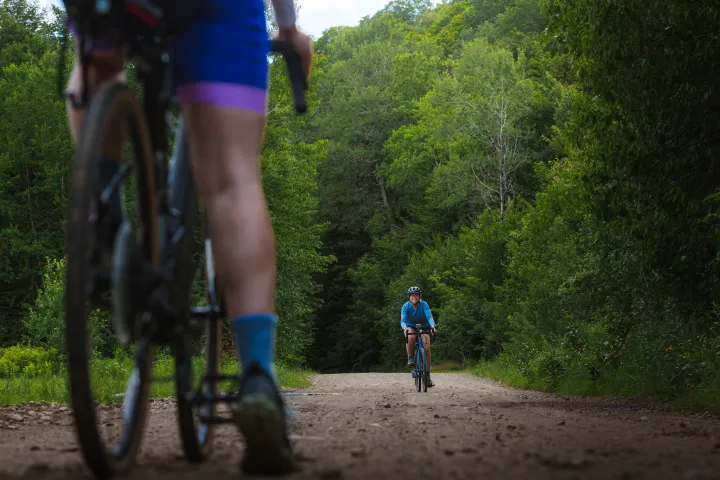
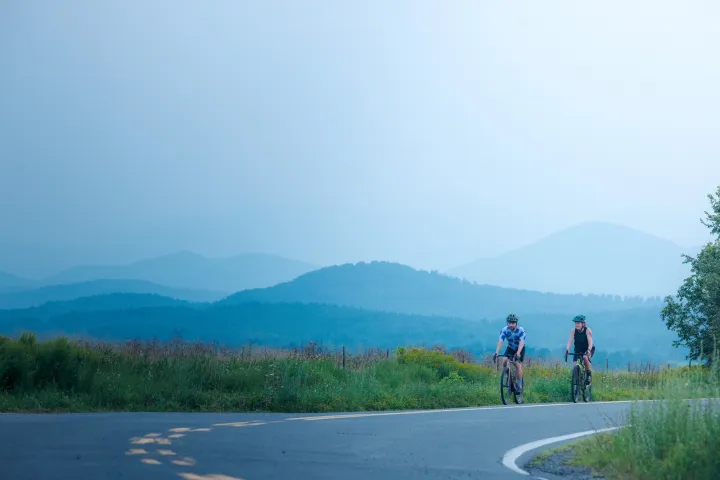
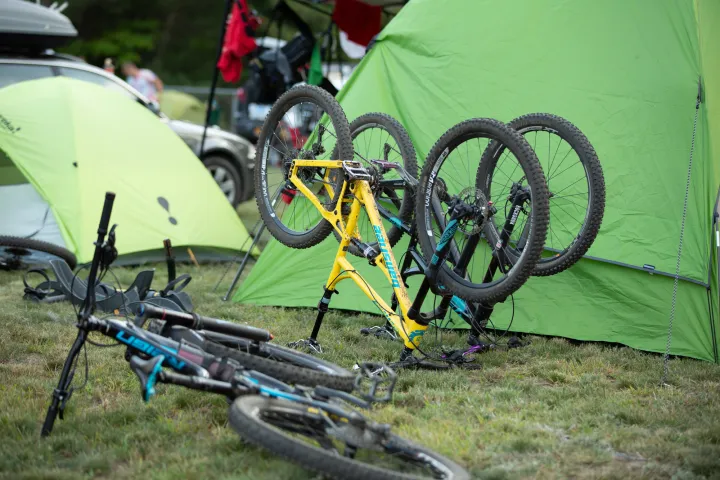
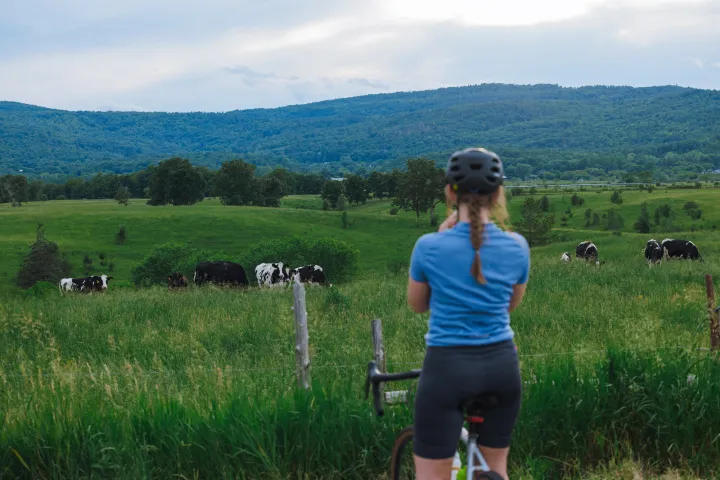
2-day routes (weekend overnighters)
The Moose River Plains Loop (40 miles): A classic intermediate weekend loop through the Moose River Plains Complex. Riders spend the night at one of the dozens of free, primitive bike-accessible campsites strung along the dirt forest road. Plan your parking for an end-to-end trip, or turn it into an out-and-back. This stretch also happens to be a section of the Black Fly Challenge, the gravel grinder race held here every early summer, so if you've ever wondered what the course feels like without a bib number pinned to your jersey, this is your chance to find out at your own pace.
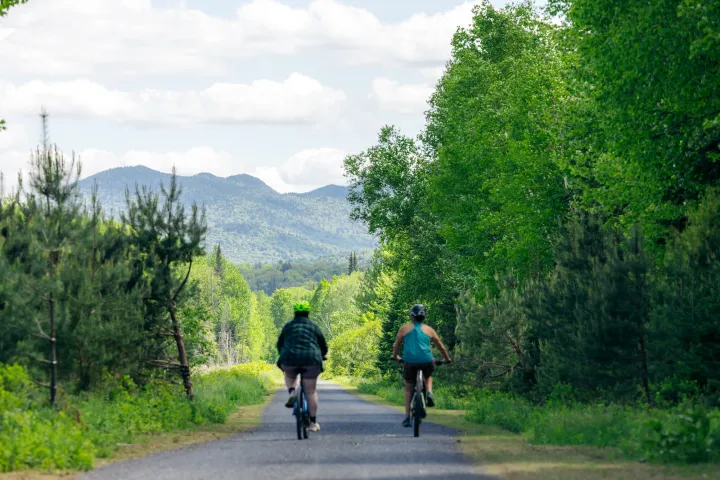
The Adirondack Rail Trail Out-and-Back (68 miles): The Adirondack Rail Trail stretches 34 miles one way between Lake Placid, Saranac Lake, and Tupper Lake, making a full out-and-back ride 68 miles. This highly accessible beginner route is flat, wide, and surfaced with smooth, compacted stone dust, making it a great fit for anyone looking for a leisurely ride with the option to roll into town for a local brewery or café. Camping directly along the trail corridor isn't allowed, so plan to spend the night at Charlie's Inn Junction Campground in Lake Clear or detour to the primitive backcountry campsites at Floodwood Pond. Both are conveniently located just off the route.
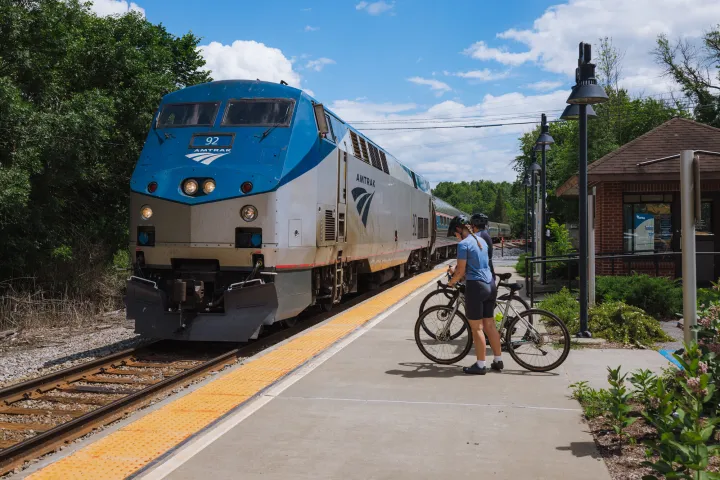
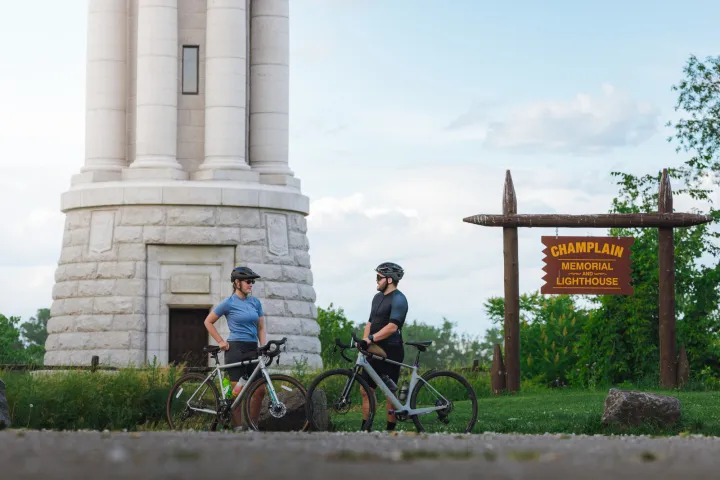
The Lake Champlain Valley Gravel Tour (50–60 miles): A scenic, rolling route along the eastern edge of the park near Westport and Essex. It strings together smooth farm gravel roads with wide-open lake views, and riders can overnight at Crown Point State Campground, located right along the southern end of the valley's riding network. Want to explore this corner of the park a little more? Check out our blog featuring a day-trip version of the route, complete with detours to historic sites and a scenic ride home on Amtrak. And if a weekend isn't enough, you can hop a ferry into Vermont and stretch this into a two-state tour of the Lake Champlain coast.
Schroon Lake to Lake Placid (roughly 130 miles): A bigger ask for a two-day trip, and a route with some real history built in. Day one runs from Schroon Lake to Newcomb on the rolling, paved Blue Ridge Road, about 24 miles, with a worthwhile detour to Great Camp Santanoni: a 10-mile out-and-back on gravel from the gatehouse to the historic main lodge. From Newcomb, it's another 28 miles west on NY-28N through Long Lake and south to Blue Mountain Lake, where you'll camp at Lake Durant Campground. Day two covers about 70 miles, starting with 36 miles north on NY-30 back through Long Lake, then finishing with roughly 34 miles of smooth gravel on the newly completed Adirondack Rail Trail into Lake Placid. Curious what this route looks like in action? Check out our Instagram Reel for a visual preview of the ride, key stops, and what to expect along the way.
Multi-Day Routes (3 to 5 Days)
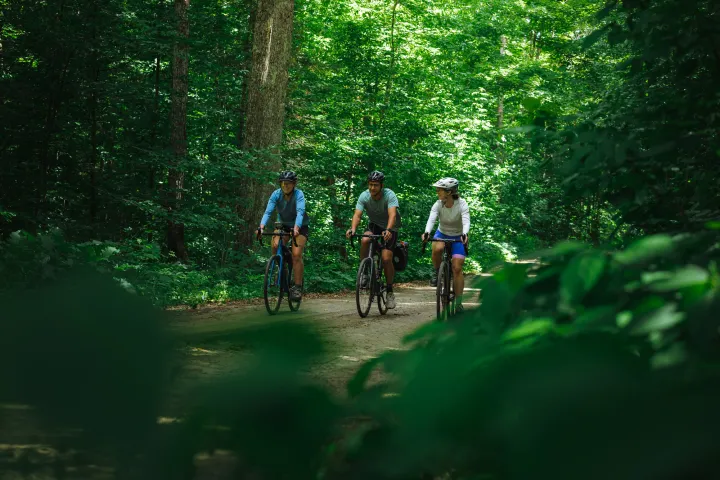
The Central Adirondack Gravel Loop (120–150 miles): This 120–150 mile intermediate, three-day loop connects Indian Lake, Blue Mountain Lake, and Long Lake via seasonal logging roads, smooth gravel, and short paved connectors. Day one features rugged backcountry riding, with overnight options at the primitive Cedar River Campsites or the amenity-rich Lake Durant State Campground. The route continues north for day two, offering secluded waterfront sites at Forked Lake Campground or convenient beachside camping at Lake Eaton State Campground before the final leg closes the loop.
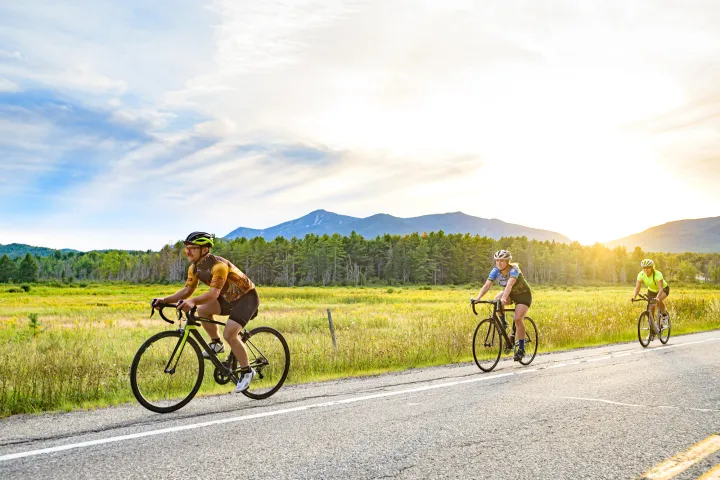
The High Peaks Perimeter Route (160 miles): This 160-mile, 4-day advanced route circles the High Peaks region via paved shoulders, challenging climbs, and scenic campgrounds. Day one takes riders across the rolling southern terrain to an overnight stop at Frontier Town Campground in North Hudson. Day two climbs through Chapel Pond, drops into Keene Valley, and tackles the steep ascent past the Cascade Lakes to reach Lake Placid for a stay at Draper’s Acres Campground. Day three winds beneath Whiteface Mountain along the Ausable River to camp at Wilmington Notch State Campground, before day four finishes the final leg of the perimeter loop.
Mega Expedition (5+ Days)
The Adirondack Trail Ride, or TATR (585 miles): This ultimate extreme option is a 585-mile, 7-to-10-day self-supported epic that begins and ends in Northville, serving as the region's grandmaster challenge. Riders can tackle the route on their own schedule or register for the annual group ride, which brings together cyclists from across the region and beyond to take on the full adventure together. The loop challenges riders with technical singletrack, overgrown snowmobile trails, and grueling hike-a-bike stretches as it charts a massive course across the state preserve. Cyclists pedal north from the southern foothills through the Wilcox Lake Wild Forest and the open gravel highways of the Moose River Plains, before navigating northwest past the Five Ponds Wilderness. From there, the trail crosses the park's northern frontier near Hopkinton, turns south past Debar Mountain to trace the Ausable River beneath Whiteface Mountain, and climbs the steep mountain divide toward Lake Champlain before looping through the Taylor Pond Wild Forest back to the finish line. Because of the remote nature of the terrain, riders primarily rely on free, first-come, first-served primitive camping on state land—such as roadside pull-offs or designated backcountry clearings—but they can also divert to established campgrounds like Lewey Lake or Wilmington Notch for a hot shower and flat tent pad along the way.